
More about the artist
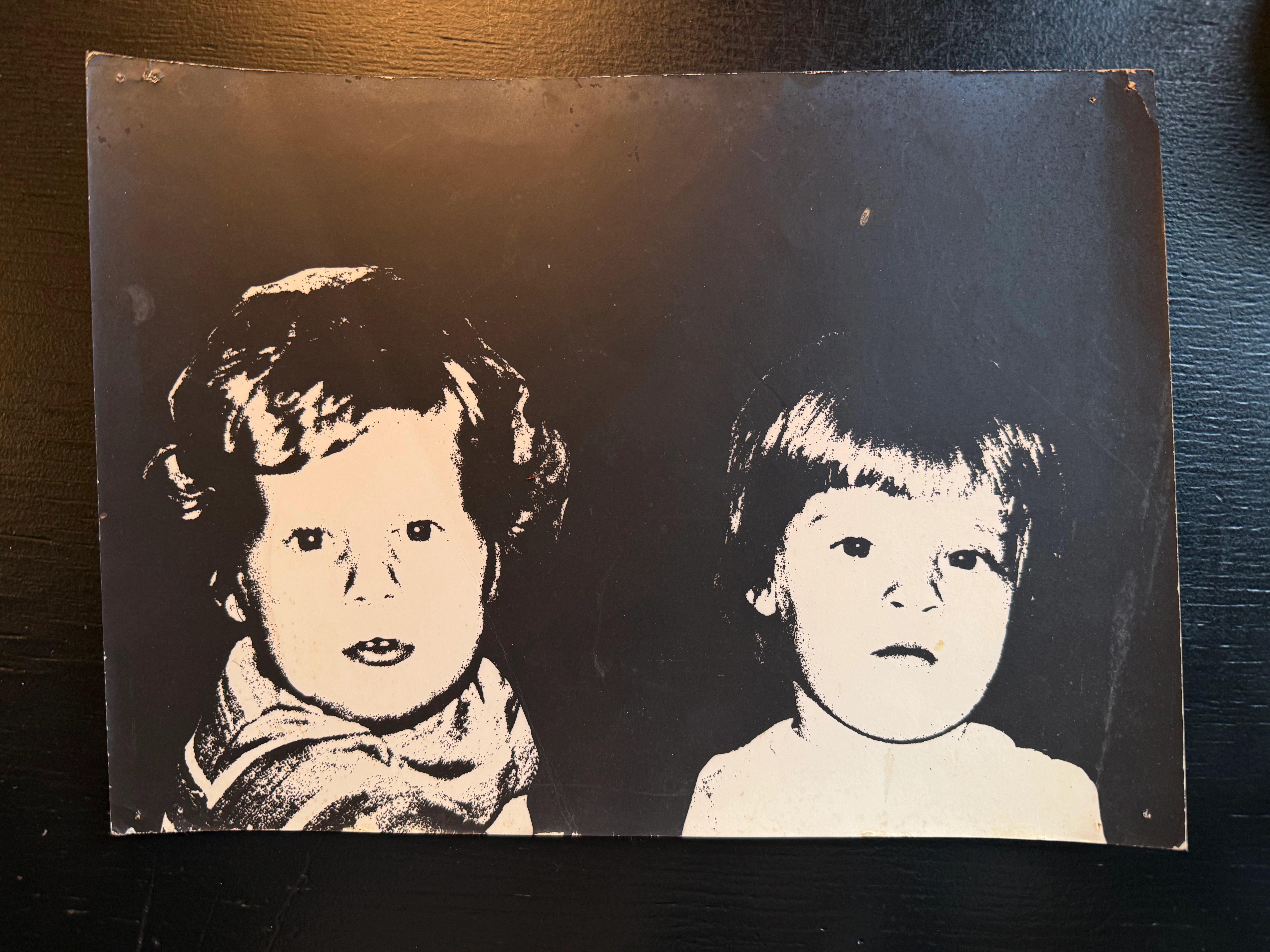
Early life
1972
Wencke Van Amstel was born in Nijmegen, in the south of the Netherlands. She grew up in the semi-urban rural municipality of Cuijk. Together with her younger sister she lived under difficult circumstances; in a financially struggling family with an abusive father and a chronically depressed mother. For her, drawing was essential for survival from an early age.
Behind the colourful, joyful drawings of beautiful women and endlessly detailed worlds, there was a persistent undercurrent of insecurity, powerlessness, and loneliness; feelings that remained invisible to those around her at the time. What also went unnoticed was her autism. She was perceived as a gifted child, and her differences were attributed to assumed high intelligence rather than neurodiversity and/or trauma.
As a child, she often visited her aunt, her ‘second mother’, in Amsterdam. Amsterdam has always been her first love. It is where she felt at home, at ease, and the only place in the world where she truly felt she belonged.
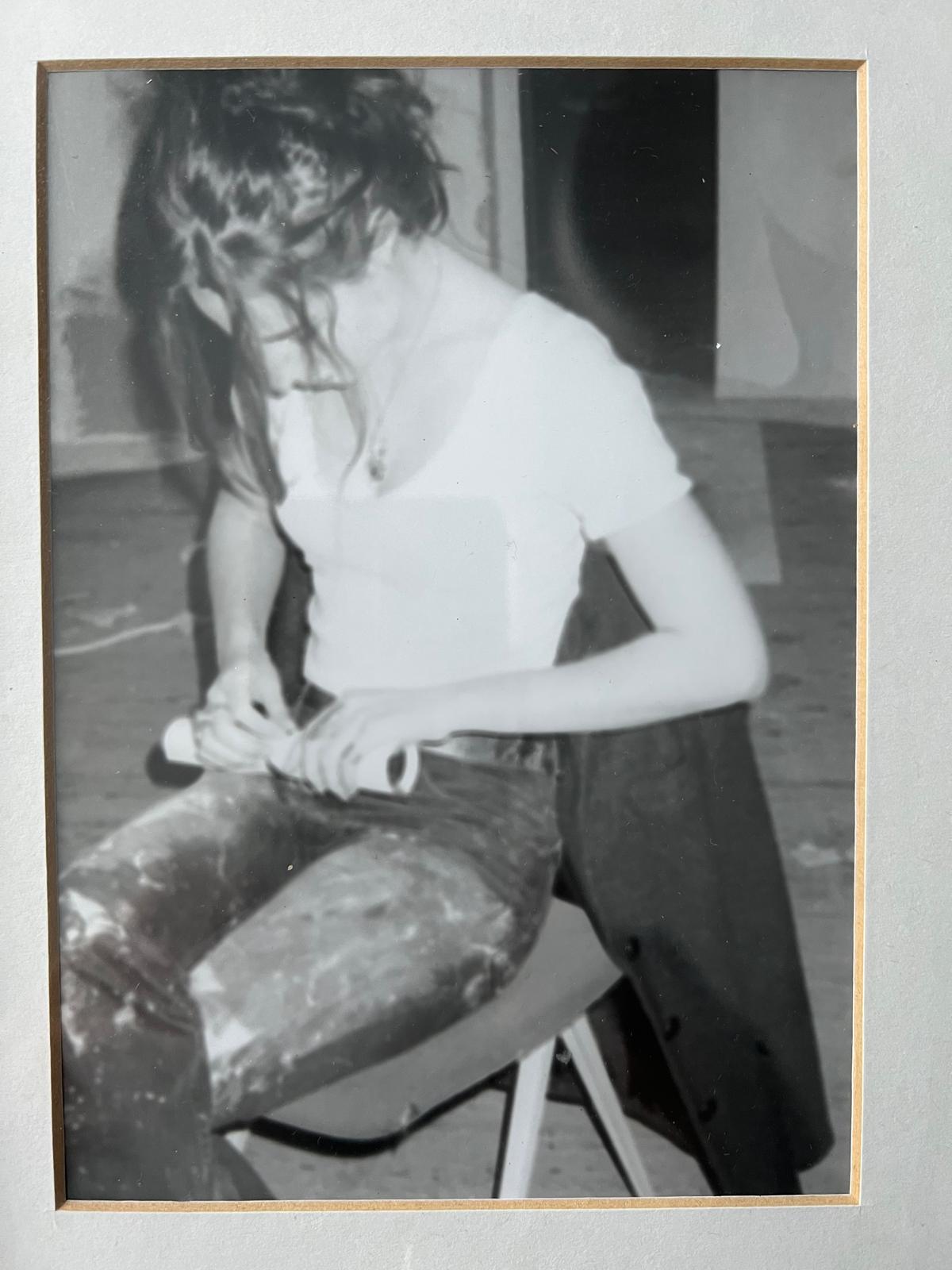
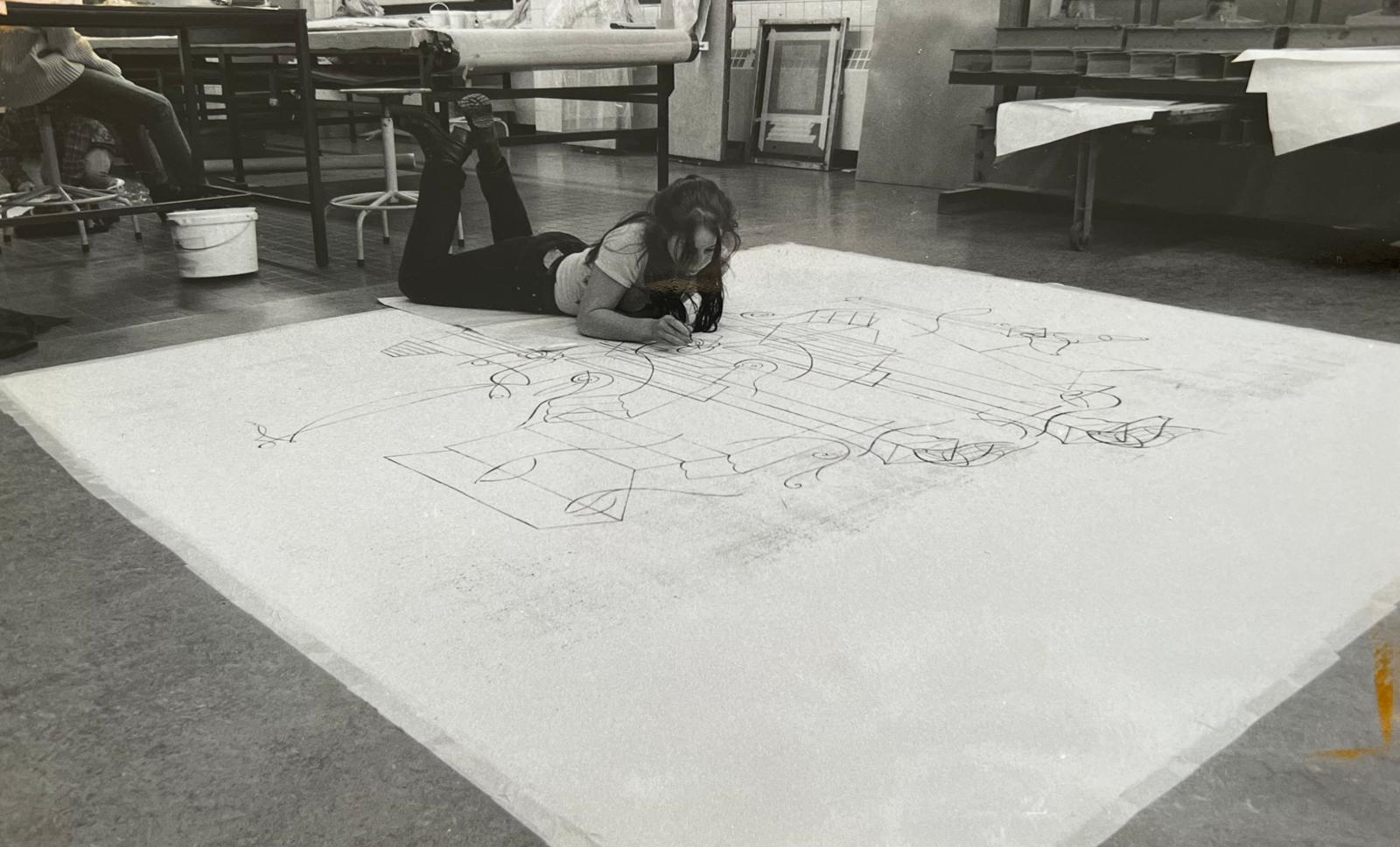
Art academy
1990
After completing her VWO (pre-university) diploma, she moved at the age of 18 to the Academy of Modern Arts in Maastricht. Even then, she was already experimenting with photographic imagery combined with drawing and painting techniques on canvas.
After graduating as an artist, she felt little connection to the art world. She struggled to find her place within its network-driven culture and chose a different path. To strengthen the scientific backbone of her thinking, she went on to pursue a university degree in Cognitive Psychology (neurocognition).
Advertising
As part of her university studies in Cognitive Psychology, she completed her graduation internship and research at the R&D department of FHV/BBDO, at the time one of the most successful creative marketing agencies in the Netherlands. Surrounded by highly ambitious creatives, she unexpectedly felt at home. Ideas were immediately launched into society, creating direct impact; an immediacy that deeply resonated with her.
She started working there as a junior creative and moved permanently to Amsterdam, her beloved city. There, she began developing her own socially driven campaigns outside working hours, free from commercial constraints. One of these independent projects – Crazylove – became the foundation for the artistic practice she continues to this day.


The birth of her visual language and methodology
2004
Together with CoolPolitics (a foundation aiming to engage young people in politics) and Olaf Zwetsloot (copywriter, musician, and artist), she created Crazylove, a dating platform that matched people based on political beliefs.
With no budget for photography or traditional campaigning, she worked with what was available. The early internet offered a vast, unfiltered archive of images. She began collecting hundreds of low-resolution visuals and transforming them into visual political satire.
From these materials, she created advertisements, e-cards, postcards, and other communication tools. The work emerged from her strong sense of justice and her obsessive attention to detail; traits she now understands as closely connected to her autism.
This period brought an unprecedented sense of creative freedom, one she had never experienced at art academy. More than anything, she wanted to provoke thought and question normalized systems of belief. Her devil-and-angel theory – a personal psycho-philosophical view of humanity – also found its first visual form here.


Entrepreneurship
Umsjatka Studios
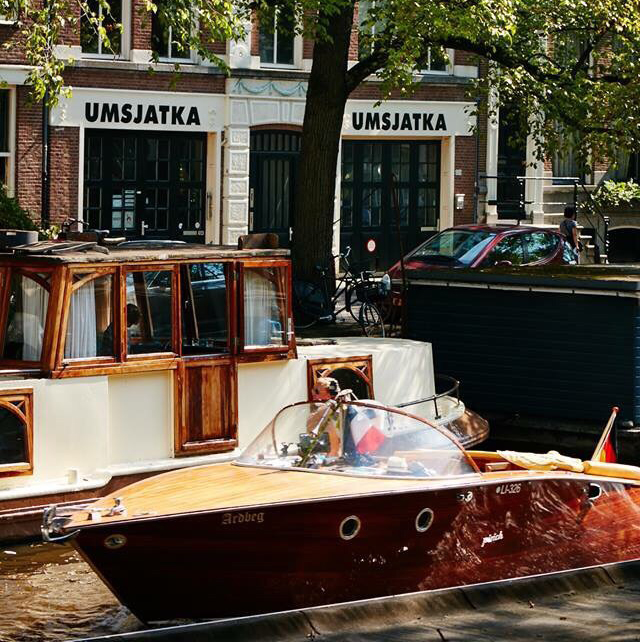
After working at leading agencies such as FHV/BBDO and TBWA/Neboko, she started working independently. Together with her childhood sweetheart, photographer, and father of her three children, she founded Umsjatka Studios.
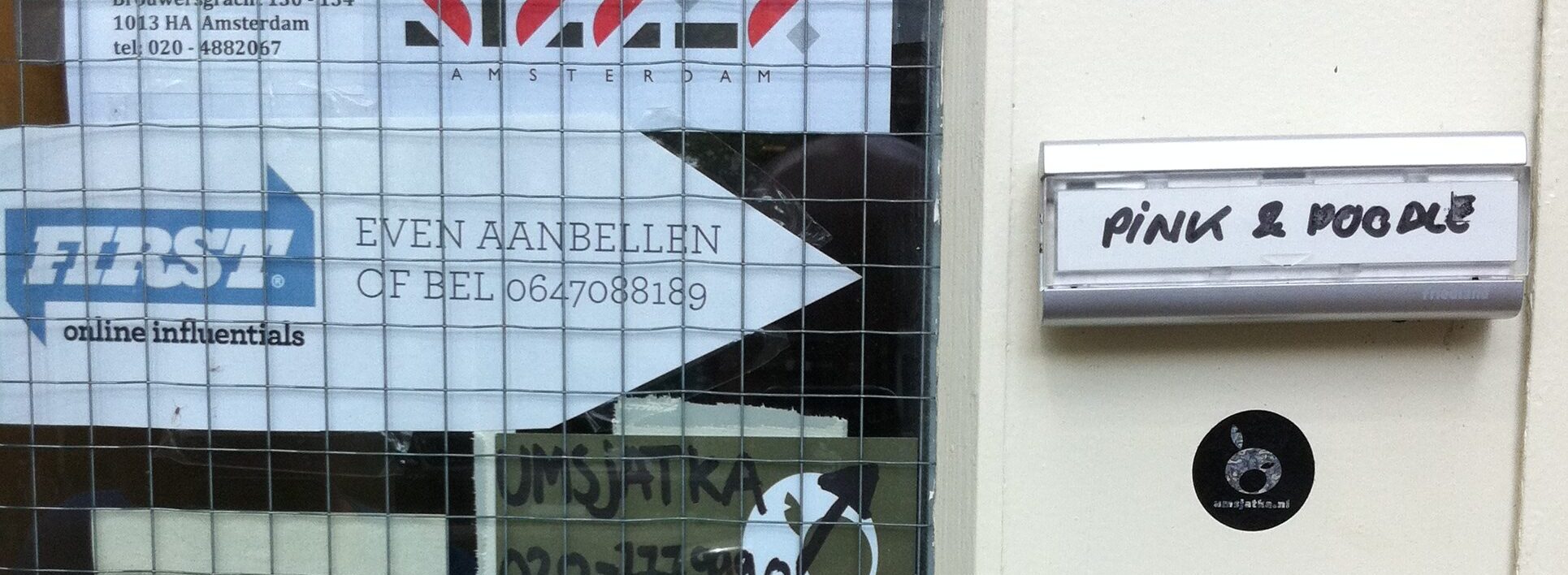
Umsjatka quickly became a sought-after creative hub in a former hidden church on the Brouwersgracht in Amsterdam. International photographers, celebrities, musicians, artists, and other creative professionals worked there, alongside rental spaces for emerging entrepreneurs in the creative industry.
Pink and Poodle agency
She also co-founded the advertising boutique Pink and Poodle with Olaf Zwetsloot. The agency started strong, working with clients such as Heineken, WE, CoolCat Fashion, Guess Watches, Tommy Hilfiger, and SOS Children’s Villages.
During this period, her personal artistic practice moved into the background. Instead, she developed her entrepreneurial skills: building teams, mentoring interns, developing new business, managing collaborations, and professionalising financial structures.


Separation
After a loving yet turbulent 18-year relationship, Wencke moved out with her three young children into a small rented home in Amsterdam Slotervaart. The separation was difficult, and she suddenly found herself carrying full responsibility for both their care and financial stability.
At the same time, mismanagement by her accountant concerning two of her companies resulted in a severe and Kafkaesque tax situation. From being a well-known and successful creative and strategy director, she was abruptly confronted with the reality of becoming a financially struggling single mother, working from a small living room with three young children and constant financial uncertainty. During this period, she entered a deeply meaningful yet abusive, unstable relationship with a Surinamese partner, which would last for twelve years.
Miesiyu agency
Out of the chaos of these years, she founded a new company: Miesiyu. The name comes from Surinamese and translates to ‘I see your true self.’ It reflects a worldview in which a person is understood as more than what is immediately visible, where the material and the spiritual self coexist, and where identity is shaped through relationships with others, including ancestors and the wider cosmos.
Rooted in Afro-Surinamese philosophy rather than Western individualism, this perspective became the foundation of the company. It informed a way of working grounded in interconnectedness, equality, and shared responsibility, rejecting the notion of independence as an isolated state.
With Miesiyu, she consciously stepped away from the corporate-driven advertising industry and began collaborating with impact-driven organisations such as Tony’s Chocolonely, Staatsbosbeheer, Rituals, G-Star, and a range of start-ups.
Social entrepreneurship & joyful activism
What followed was a decade of survival: filling one gap with another, navigating legal battles, and striving to restore financial stability. Her artistic practice was largely put on hold during this time. Yet she continued to grow professionally, developing expertise in social entrepreneurship, joyful activism, and community building.
What doesn’t kill you
Rock bottom
In 2024, escalating geopolitical tensions, an uncertain investment climate, and a declining market for marketing and communications led to a prolonged period without income from her company Miesiyu. With no financial reserves or structural external support, she and her children eventually had to rely on food bank assistance. At the same time, long-suppressed child trauma related to sexual violence resurfaced, leading her to seek professional help.